Evidence/Artifact #1: Survivor PE Activity
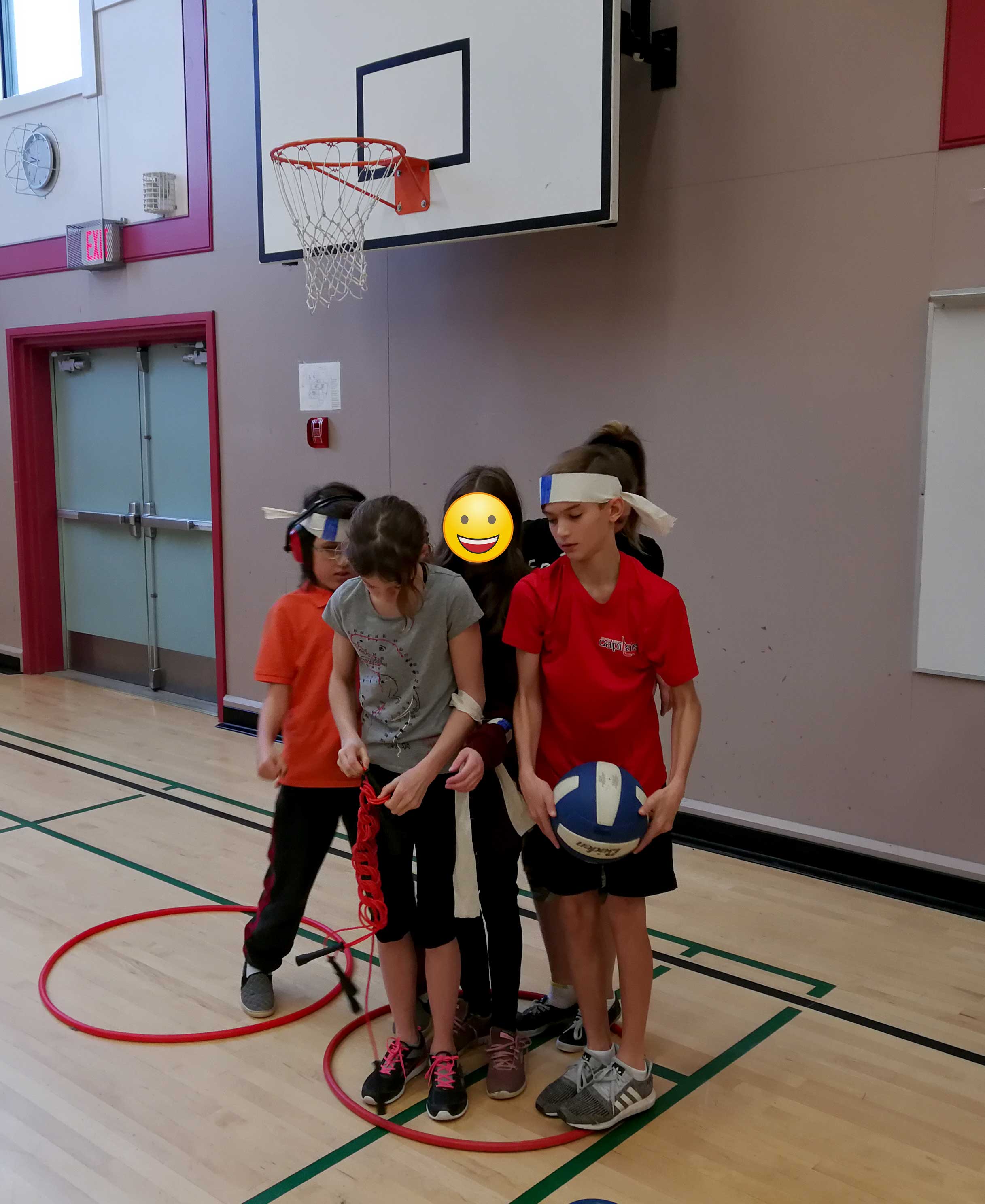
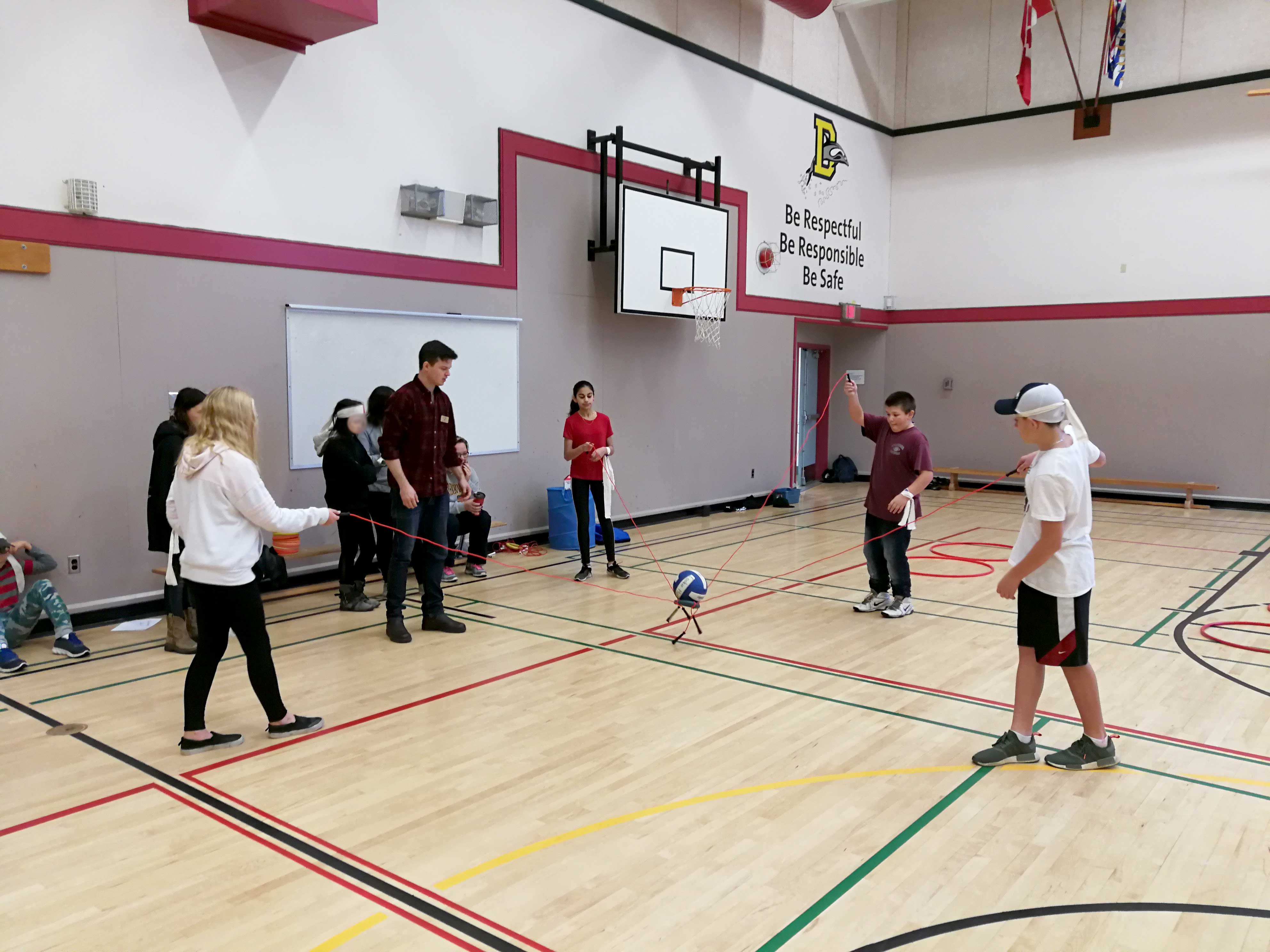
During my fall practicum placement at Drinkwater Elementary my mentor teacher wanted a physical education class taught that addressed team building and cooperation. I thought what better was to accomplish this than to do a unit on Survivor, a television show that has a group of people that work together in challenges for rewards. I scoured the internet and came across a unit on the website https://thephysicaleducator.com
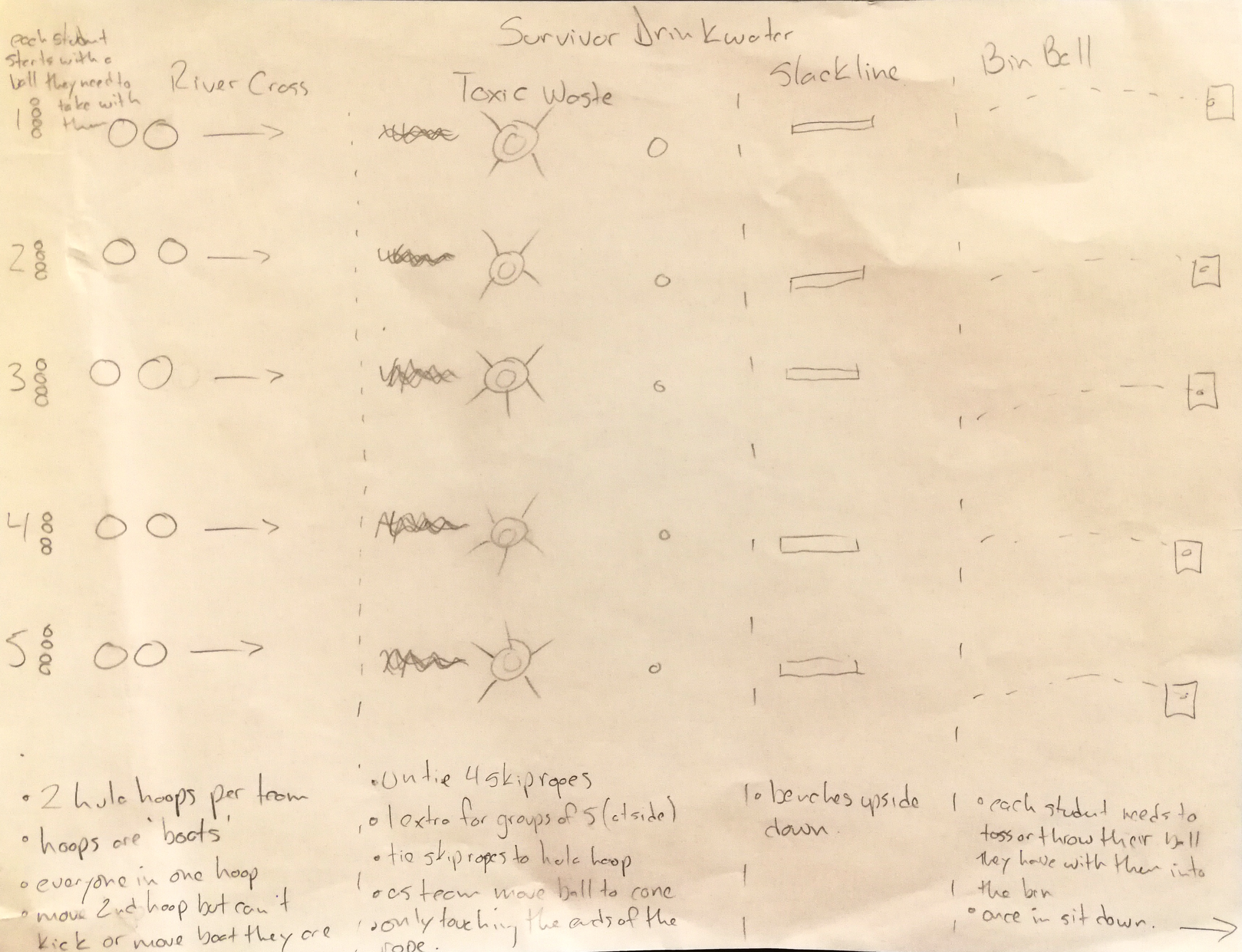
Using the unit created by Joey Feith I replicated a few of the activities, but also created a few of my own based on the television show. I sketched up what I wanted the activity to look like.
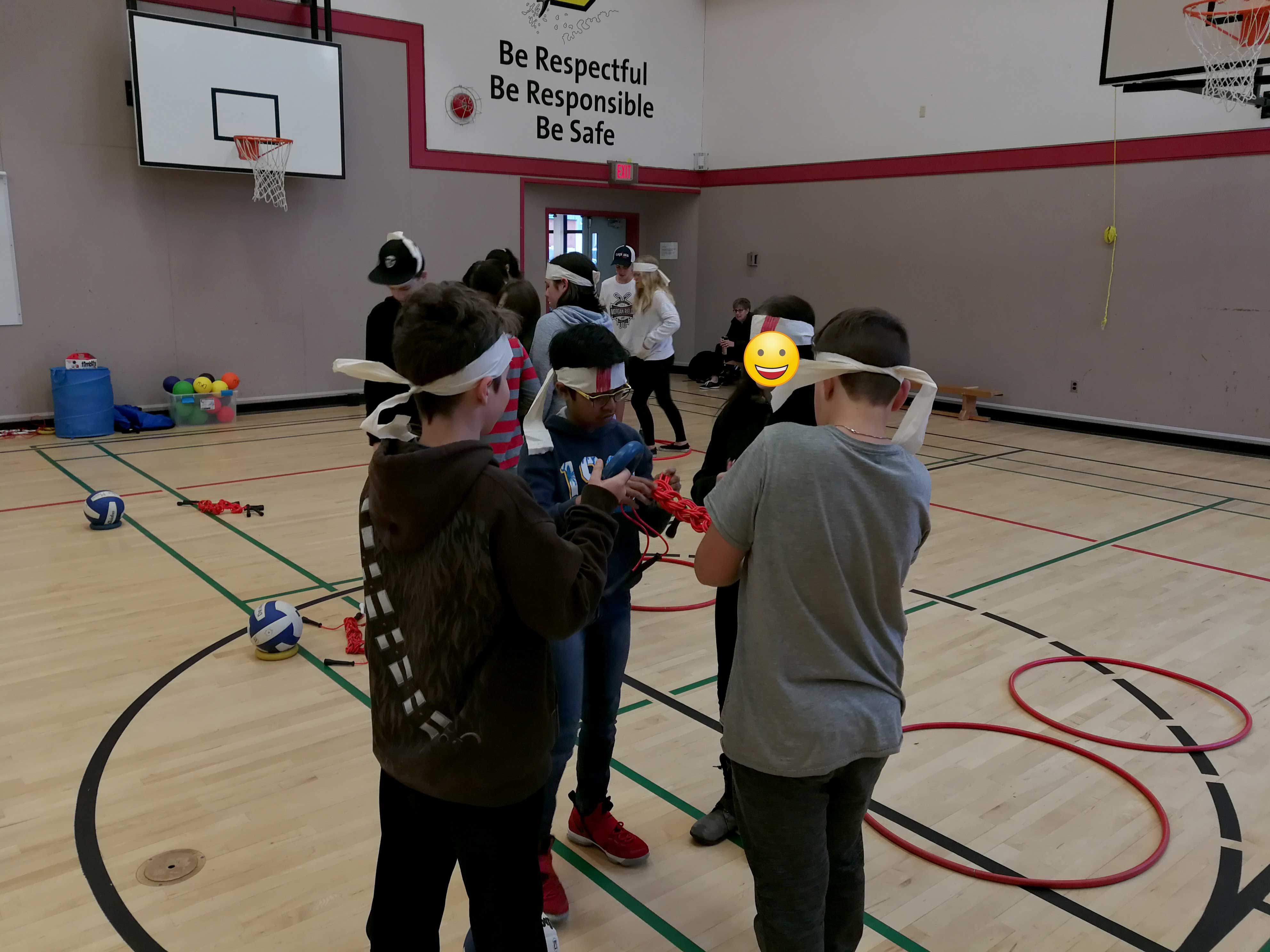
Just as in Survivor I had the student pick a coloured headband from a bag and that decided the teams. In previous activities random draw for student groups has not worked as well, but for this activity there were no personality conflicts and all the students worked well together.
What I learned and Why is it important
The internet can be a infinite resource for creating lessons for physical education for those willing to look. The BC Curriculum offers a lot of flexibility in how subjects can be taught. I found that the students were very engaged with the class and all the challenges. The students ran through the challenges rather quickly and those who completed them wanted to start again from the beginning to see if they could do it faster the second time.
References
BC Ministry of Education BC Teachers’ Council. (2019, June 19). Professional Standards for BC Educators. Retrieved from, https://www2.gov.bc.ca/assets/gov/education/kindergarten-to-grade-12/teach/teacher-regulation/standards-for-educators/edu_standards.pdf
Feith, J. (2012) Survivor. A Leadership Unit for Physical Education. Retrieved from https://thephysicaleducator.com/wp-content/uploads/2016/12/Survivor-Unit.pdf
Lawrence, D. (2018) Survivor Drinkwater. Vancouver Island University, Duncan, B.C.
Evidence/Artifact #2: Ancient Civilizations Units
The Learning Standard focus for the Grade 7 curriculum is The Ancient World to the 7th Century. In my 5 week fall practicum at George Bonner Elementary I created a unit plan that focuses on the curriculum’s Big Idea “Geographic conditions shaped the emergence of civilizations.” I designed lessons for students to explore the following curricular competencies for in the Grade 7 Social Studies curriculum:
- Assess the significance of people, places, events, or developments at particular times and places (significance)
- Characterize different time periods in history, including periods of progress and decline, and identify key turning points that marked periods of change (continuity and change)
- Determine which causes most influenced particular decisions, actions, or events, and assess their short- and long-term consequences (cause and consequence)

The unit was designed as a interdisciplinary unit that incorporated Social Studies, Science, English Language Arts, and had English Language Learner supports. I consulted with my mentor teacher and decided to expand the initial unit to include the other ‘big ideas’ from the curriculum and create units and lessons for my other practicum dates. I would need a broad knowledge base and an understanding of the curriculum to accomplish this goal.
To activate each student’s prior knowledge to ancient civilizations I set up a “Chat Stations” activity on the first lesson. This activity replicates the same function of ‘stations’ do in the primary grades where students move around from one activity to the other on a teacher command. This activity was developed by the Cult of Pedagogy’s Jennifer Gonzalez as a way to bring back the idea of stations to the upper intermediate grades. Students were able to move from question to question and have a 6 minute conversation with peers, record information, and report their findings.
For the culmination of the “Ancient Civilizations” units, I had planned to visit the Ye’yumnuts sacred ancestral place of the Cowichan people. Students are amazed to discover there is a ancient culture right in their community. This rare opportunity gives students the opportunity to visit and learn about respecting diversity and different cultural perspectives.
What I learned and Why is it important
Having a broad knowledge base and understanding of the subjects and curriculum I will be teaching is important as a new teacher. It will demonstrate to my students that I am confident in the areas and subjects I will be teaching which in turn will give them the confidence to learn from me as their teacher and engage in the lessons. The lessons I create are interactive, research based, and well prepared which garners more engagement from the students. I also felt it was important to include the local First Nation’s People in this unit. Not only would this provide local cultural richness to the lesson and the competencies being taught, but would also further broaden my knowledge and understanding of Indigenous ways of knowing. Exposing students to the values, beliefs and cultural traditions of local First Nations, as well as to diverse global cultures, will help students become more open to differing perspectives and viewpoints. They will develop their critical thinking and become lifelong learners who are actively able to participate in our mosaic that is Canada.
References
BC Ministry of Education BC Teachers’ Council. (2019, June 19). Professional Standards for BC Educators. Retrieved from, https://www2.gov.bc.ca/assets/gov/education/kindergarten-to-grade-12/teach/teacher-regulation/standards-for-educators/edu_standards.pdf
Commemorating Ye’yumnuts. (n.d.) Retrieved from https://sites.google.com/view/commemorating-yeyumnuts/
Gonzalez, Jennifer. (2013, October, 24). Chat Stations. Cult of Pedagogy. Retrieved from https://www.cultofpedagogy.com/chat-stations/
Lawrence, Devon. (2019, October). Interdisciplinary Unit Plan – Geographic Opportunities. Vancouver Island University.
 mrdevonlawrence.com